Nutrition: Turkish Cuisine
“Do not clear the table saying it is just food.
It is something sacred, containing an entire civilization within it.”
(Abdulhak Sinasi)
The variety of dishes that make up Turkish cuisine, the ways in which they are combined in festive meals, and the evident complexity of every element involved provide enough material for both study and pleasure over an entire lifetime. […] One can only conclude that the evolution of this glorious cuisine was not accidental; rather, as with the other great cuisines of the world, it is the result of a combination of three key elements: an educational environment, an imperial kitchen, and a long social tradition. […]
Turkey is renowned for the abundance and diversity of its food products, thanks to its rich flora and fauna and its regional diversity. […] The Palace Kitchen, supported by a complex social organization, vibrant urban life, division of labor, international trade, and complete control over the Spice Route, fully reflects the wealth and prosperity of a culture that developed in the capital of a powerful empire. […]
Turkish cuisine also enjoys the unique privilege of being located at the crossroads between the Far East and the Mediterranean, as a result of the long and complex history of Turkish migration from the steppes of Central Asia to Europe. […]
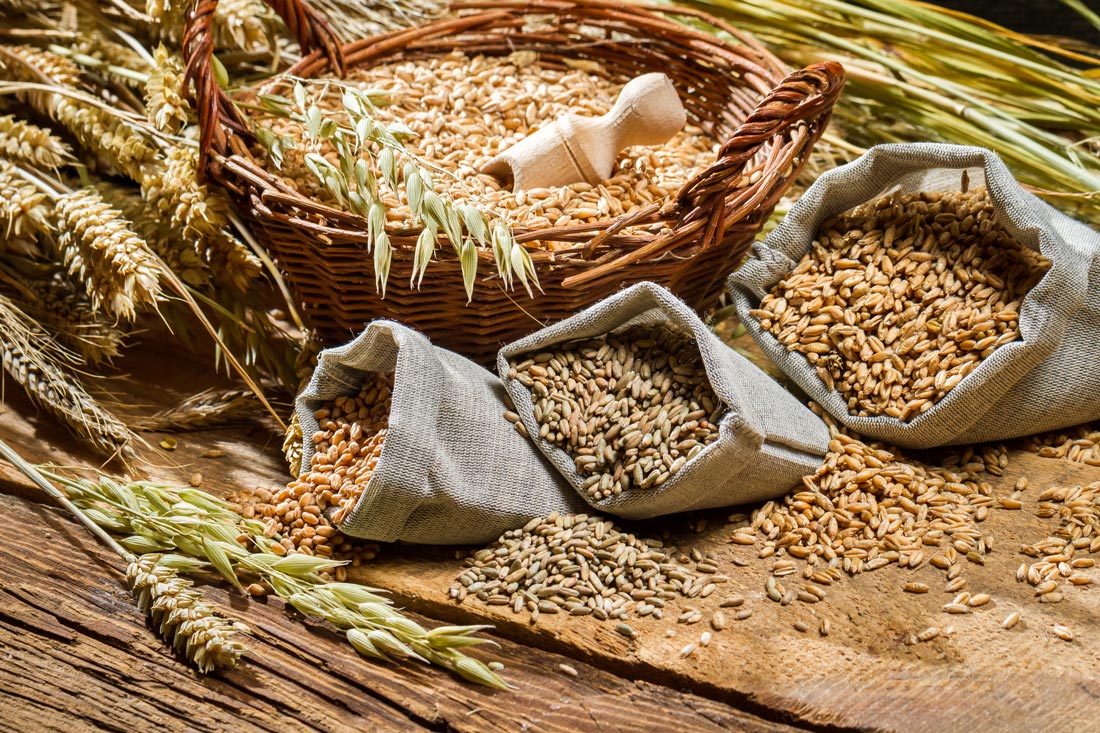
Cuisine is an integral aspect of culture. It is part of the ritual of daily life. […] Culinary habits involving meat, dairy products, vegetables, and grains—characteristic of this early period—still form the core of Turkish thought today. Originally, the Turks cultivated wheat and used it extensively in many types of leavened and unleavened bread, baked in clay ovens, fried on griddles, or buried in embers. […]
The use of stuffing, not only in dough but also in all kinds of vegetables, was common practice and remains so today, as demonstrated by the dozens of different varieties of dolma. […]
Anatolia is known as “the breadbasket of the world.” Even today, Turkey is one of only seven countries in the world capable of producing enough food to feed its entire population and still have a substantial surplus for export. […]
The Turkish landscape combines features of the three oldest continents in the world—Europe, Africa, and Asia—and displays a biological diversity that far exceeds that of any other country along the 40th latitude. […]
In the eastern region, one encounters rugged, snow-covered mountains with long, cold winters, alongside highlands where spring, rich in wildflowers and rushing streams, stretches into a long, cool summer. Livestock farming predominates here. Butter, yogurt, cheese, honey, meat, and grains form the local diet. […]
The heart of the country is a dry steppe with gentle hills and endless wheat fields and barren bedrock, taking on astonishing shades of gold, purple, gray, and warm and cool tones as the sun moves across the sky. […]
Moving westward, one eventually reaches warm, fertile valleys among cultivated mountains and the lace-like shores of the Aegean Sea, where nature is generous and life has always been easy to enjoy. Fruits and vegetables of every kind are abundant, and above all, seafood. Here, olive oil becomes a fundamental ingredient, used in both hot and cold dishes. […]
The temperate Black Sea coast to the north is protected by the high Caucasus mountain range and abounds in hazelnuts, corn, and tea. The people of the Black Sea are fishermen and identify with their natural companion, the shimmering hamsi, a small anchovy-like fish. […]
The southeastern part of Turkey is hot and semi-desert, offering a great variety of kebabs and sweets. […]
The culinary heart of the country is the Marmara Region, which includes Thrace and Istanbul, the queen of cities. This temperate and fertile region boasts a great variety of fruits and vegetables, as well as the most delicately flavored lamb. […] Even today, the country’s finest chefs come from Bolu. […]
The importance of food also played a visible role in the structure of the Ottoman military elite, known as the Janissaries. […] The Spice Route—the most important factor in culinary history—was entirely under the Sultan’s control. Only the finest ingredients were allowed to be traded, according to the strict standards set by the court. […]
All dishes can easily be categorized as grain-based, roasted meat, vegetables, seafood, desserts, or beverages. The foundations of Turkish cuisine rest on grains (rice and wheat) and vegetables. […]
Turks are purists when it comes to culinary taste, believing that dishes should highlight the flavor of their main ingredients rather than conceal them beneath sauces and spices. […] Spices and herbs are used simply and sparingly. […]
For Turks, the setting of the table is just as important as the food itself. […] The most famous market is the Spice Bazaar in Istanbul. […]
One way to purify body and soul might be to rent a modest seaside apartment for a month each year and live on fresh fruits and vegetables from the pazar. […]
In addition to ekmek (ordinary white bread), pide (flatbread), simit (sesame-coated rings), and manti (dumpling-like pasta), an entire family of foods made with sheets of dough called börek belongs to this category. Ottoman-era bakers believed that after being expelled from the Garden of Eden, Adam—the patron saint of bakers—learned how to make bread from the Archangel Gabriel. […]
Every neighborhood has a bakery that produces golden, crusty loaves twice a day, morning and afternoon, filling the streets with their irresistible and wholesome aroma. […] Ekmek, pide, and simit are meant to be eaten the day they are baked, as is usually the case. Leftover ekmek is used in various dishes, fed to chickens, or mixed with milk for neighborhood cats. […]
Manti, small dumplings filled with a special meat mixture, are eaten with generous portions of garlic yogurt and a drizzle of melted butter flavored with paprika. […]
Börek is a dish reserved for special occasions and requires great skill and patience. […] The sheets of dough are layered or folded into various shapes before being filled with cheese or meat mixtures and baked or fried. […]
Alongside bread, pilav is another staple of Turkish cuisine. The most common versions are cracked wheat pilaf and rice pilaf. A good cracked wheat pilaf made with whole onions, sliced tomatoes, green peppers sautéed in butter, and cooked in beef broth is a meal in itself. Many versions of rice pilaf accompany vegetable and meat dishes. […]
The most common dessert after meals is fresh seasonal fruit, which gains its unique flavor from abundant sunshine and traditional cultivation methods. […]
The most wonderful contribution to Turkish cuisine is milk-based desserts—the muhallebi family. These are among the rare gluten-free puddings made with starch and rice flour, originally prepared without eggs or butter. […]
Milk desserts include a variety of puddings, ranging from very light and delicate rose-water versions to milk puddings stitched with threads of chicken breast. […]
Baked sweets may be grouped under the baklava family: paper-thin sheets of dough brushed with butter and layered or rolled after being filled with pistachios, walnuts, or cream, then baked and soaked in syrup. […]
Helva is made by sautéing flour or semolina and pine nuts in butter, then adding sugar and milk or water and briefly cooking until absorbed. […] People are invited to helva conversations to pass the long winter nights together. […]
Another dessert worth mentioning is a special piece of bread baked in syrup and filled with generous amounts of walnuts and cream, not to mention marzipans made with almonds and pistachios. The finest marzipan is sold in a small, modest shop in Bebek, Istanbul… and finally, candied chestnuts—a specialty of Bursa—rank among the most exquisite nut-based sweets.
(Excerpt from “Turkish Cuisine”, Republic of Turkey, Ministry of Culture and Tourism, General Directorate of Information.
Text by Prof. Dr. Fahriye Sancar, Photo Archive of the Ministry, Ankara 2007))
Read more
Read less
Insights: Other Sections