Among the various foods of ancient Rome, bread is one of the most extensively documented by literary sources, frescoes and bas-reliefs depicting its preparation and sale, and even by the carbonized loaves found among the ruins of Pompeii which, once analyzed, have revealed their secrets. From Pliny the Elder we learn that bread was introduced relatively late into the Roman diet, as Romans were accustomed to consuming unleavened flatbreads and puls, a thick porridge made from wild cereals, legumes and, when available, meat.
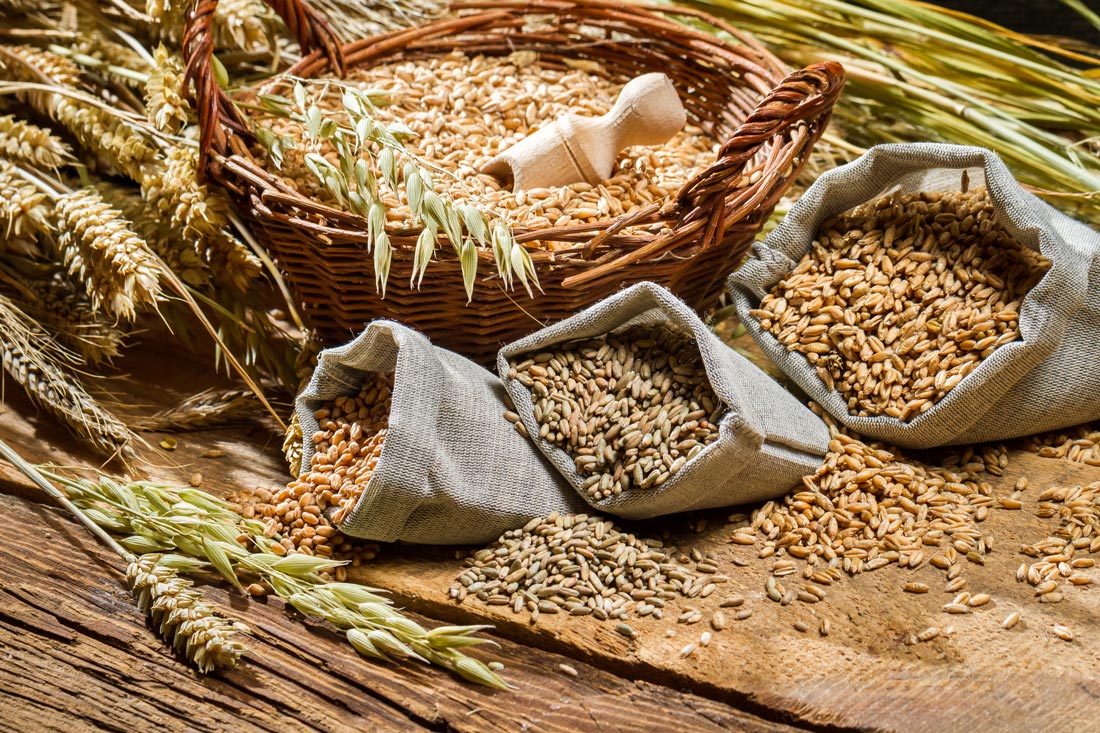
The most highly prized cereal was spelt, while rye and oats were not much esteemed and barley was even considered suitable only for slaves and soldiers. The first grain used for bread production was therefore spelt, whose kernels were lightly toasted to remove the husk and then ground to obtain farrina (from which the word “flour” later derived, eventually coming to indicate the milled product of any cereal).
Around the end of the 5th century BC, new hard and soft wheats appeared, probably originating in Sicily and Africa. These were of superior quality and easier to free from the husk, allowing for rapid improvements in bread-making and resulting in loaves and flatbreads that were less hard and less acidic. The use of mills facilitated grinding, while advances in sieving techniques made it possible to distinguish different qualities of flour and semolina.
Roman bread was generally known for its hardness, due both to the poor quality of the flours used (which absorb less water than better flours) and to the limited quantity and quality of the leaven employed (prepared once a year at harvest time using grape must and dough). Nevertheless, there were numerous types and shapes of bread, depending on their use, ingredients and baking methods. With higher-quality flour (siliga), bakers produced panis siligineus. According to the degree of sieving, there were panis cibarius, secundarius, plebeius and rusticus.
Long-lasting bread types similar to hardtack included panis militaris castrensis (reserved for soldiers) and panis nauticus (for sailors); quite hard as well was panis autopyrus (wholemeal), not to mention panis furfureus, intended… for dogs. A softer but less common type was panis parthicus, also called aquaticus because of its spongy texture and ability to absorb more water.
Among the various doughs, those used in rural areas included legumes, acorns, chestnuts and other “humble” ingredients, while more costly and refined versions were made with spices, milk, eggs, honey and oil. A luxury bread was artolaganus, prepared with honey, wine, milk, oil, pepper and candied fruits.
Different baking methods gave rise to panis furnaceus (oven-baked), artopticus (baked at home under a clay dome), subcinerinus or focacius (baked under ashes), and clibanicus, a flatbread cooked on the outer wall of a heated vessel. Breads could be elongated or round, with cross-shaped incisions to facilitate division into four parts (quadrae, hence panis quadratus).
As milling, sieving, preparation and baking techniques became more complex, bread production gradually shifted from the household sphere to a more “industrial” one, carried out by specialized craftsmen (according to Pliny, from 171 BC onward). The name pistores, originally referring to servants who crushed spelt grains in mortars, came to designate professional bakers, who were initially mostly freedmen or citizens of low social status.
Over time, bakers obtained privileges and exemptions from the public administration, as well as state support to start their businesses. They formed their own guild, the collegium pistorum, and secured profitable contracts to supply bread to the authorities for free distributions to the populace. A baker, therefore, could even amass wealth, as happened, for example, to the freedman Marcus Vergilius Eurysaces. His tomb near Porta Maggiore “narrates,” through the reliefs of its frieze, the stages of bread-making: from milling and sieving the flour, to kneading, shaping and baking the loaves. A remarkable monument celebrating one of the oldest and most popular professions.
(Letizia Staccioli, Archeoclub d’Italia, Rome branch – Artistic Director, Cerealia Festival)