The Mediterranean diet is currently regarded by nutritionists as a modus vivendi that endows people with longevity and good health, with Crete at its epicenter, as supported by internationally conducted research. The history of the Cretan diet is very ancient, its roots reaching back to the Neolithic period. Based on archaeological findings, it appears that the ancient Cretans, the Minoans, consumed more or less the same products that modern Cretans eat today: olive oil, cereals, legumes, and honey.
During the Byzantine period, the Cretans remained faithful to the inherited diet and traditional cooking practices. A turning point in the Cretan diet came with the introduction of new crops, particularly the tomato from the New World. Cretans consume large quantities of fruit, vegetables, fresh produce, legumes, cheese, and bread. Herbs are widely used to flavor meals, and sweets and cakes are prepared using natural sweeteners such as honey and grape syrup, while excellent local wine is an indispensable accompaniment to their meals.
Until only a few decades ago, Cretans rarely ate meat. Meat has always had a ritual function in Crete and in Greece in general. In modern times, it was consumed only a couple of times a year, during major holidays or, for those who were wealthy enough, every Sunday. Cretans are well aware of the health benefits of moderate wine consumption, but wine is also an integral part of their culture: good wine is considered the perfect accompaniment to every dinner. Wine drinking is not a solitary practice, but one closely linked to social events, good company, and camaraderie.
Cheese consumption in Crete is the highest in the world. The flavor of Cretan cheese is unsurpassed: graviera and its varieties (kefalotyri, kefalograviera), soft sweet-and-sour cheeses, and other dairy products. Cretan cheese plays a significant role in the local diet as an important source of calcium and high–biological-value proteins.
What distinguishes the Cretan diet from any other type of Mediterranean diet is the significantly higher consumption of fruit. It has been estimated (by A. Keys, 1970, and D. Kromhout, 1989) that the average Cretan consumes four times more fruit than the average Southern European and six times more than the average Northern European.
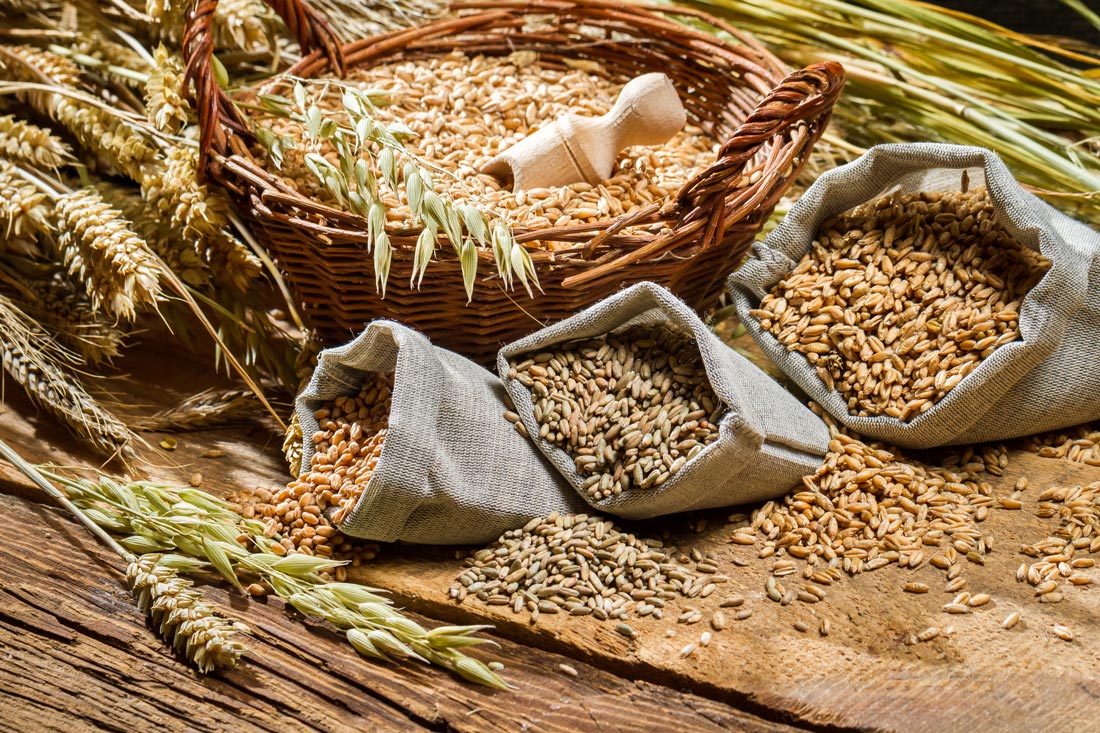
The English traveler Robert Pashley (1834) was struck by the black bread loaves made by the monks of Crete. They were made from wheat, barley, and rye. The fiber content of traditional Cretan bread contributes to improved intestinal function, particularly of the large intestine. Whole-grain bread is rich in vitamins, especially those of the B complex, which are essential for the proper functioning of the nervous system. Until recent decades, Cretans consumed only black bread, while white bread (without bran) was eaten only five or six times a year—at Christmas, Easter, during religious festivals, on August 15, and on special social occasions. In Crete, large hard rolls shaped like cubes are common, usually pre-sliced horizontally in half.
In Crete, raisins and grape must, together with honey, constitute the most important traditional sweeteners. Cretan vineyards produce ideal grape varieties that can easily be transformed into raisins. Raisins are eaten raw or used in various preparations, such as cakes, rolls, pastries, or combined with other dried fruits. These delicious sweets and baked goods contain minimal fat and are cholesterol-free.
Cretan honey is entirely natural and produced in regions rich in endemic vegetation. Crete’s ecosystem is abundant in endemic plants, particularly herbs. The island produces some of the most aromatic honey in the world and has been producing honey since prehistoric times.
Another defining feature of the Cretan diet is the high consumption of vegetables and other plant-based products. Among these is the tomato, which revolutionized Cretan cuisine and shaped the character of the diet as we know it today. Other agricultural products of Crete, such as cucumbers and zucchini, are cultivated in the island’s lush valleys thanks to favorable climatic conditions. Garden produce is grown in the southern coastal regions of Crete, especially in Ierapetra, Messara, south of Rethymno, in the coastal areas of Selino and Kissamos, and elsewhere.