Nutrition: Cereals in the diet
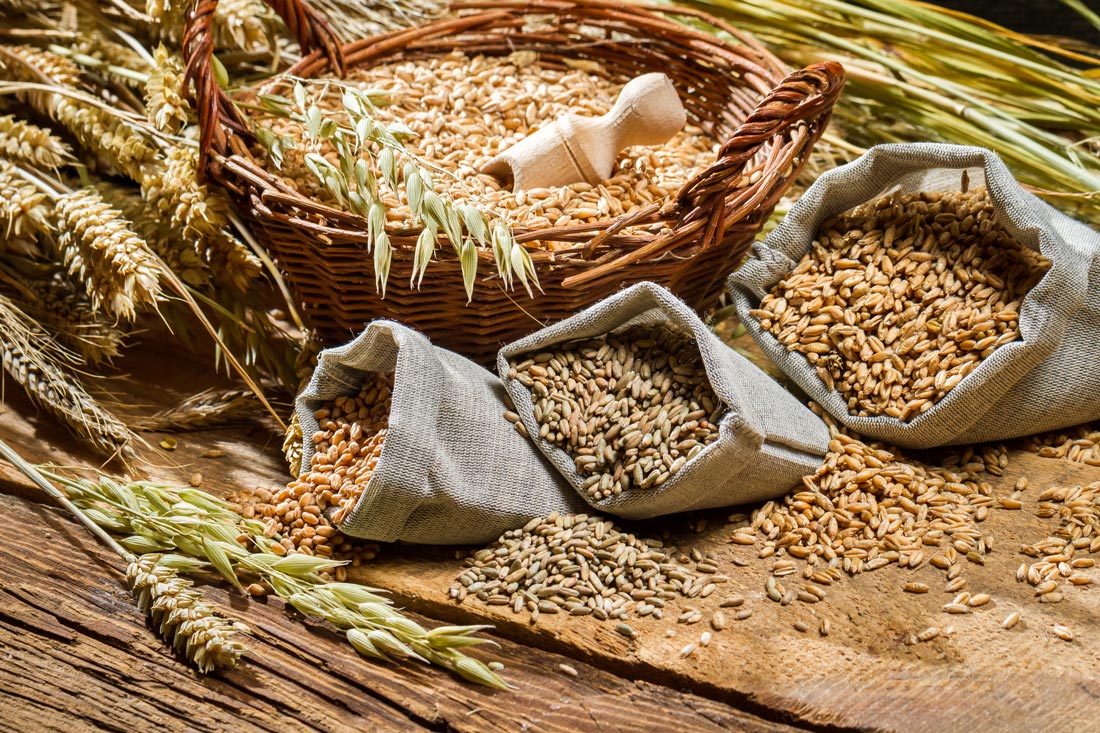
Cereals are harvested in very large quantities and, in many countries, they represent the main staple food in the diet of both humans and animals. In virtually every country in the world, cereals are consumed in significant amounts as part of everyday diets. Rich in starch, cereals are characterized by very high digestibility and ease of storage, factors that have contributed to their widespread diffusion. Their cultivation is often intensive, carried out over large areas, and made easier through the use of machinery for sowing, treatment, and harvesting.
Cereals provide most of their nutritional energy in the form of starch and are also important sources of protein. Whole grains (those that retain the bran and the germ) are rich in fiber, fatty acids, and other nutrients. Cereals are a major source of energy (about 350 kcal per 100 g) and are generally low in protein, with the exception of rice, whose proteins are rich in lysine, considered the most valuable amino acid among cereal proteins. Rice is a source of B vitamins but is low in calcium and iron.
Insights: Other Sections