Nutrition: Food and diet in Ancient Rome
“The wine of the vine smells like nectar, barley wine smells like a billy goat. The wine of the vine comes from Bacchus, son of the goddess Semele; barley wine comes from bread.”
(Julian the Apostate, 361–363 AD)
As soon as he rose, a Roman would have a hearty breakfast (ientaculum), eaten standing up. Adults usually consumed leftovers from the previous evening (such as olives, capers, eggs, some cheese, bread and honey), while children had milk and small flatbreads, either sweet or savory. Thus began a long working day, for both city dwellers and farmers, lasting from dawn to sunset.
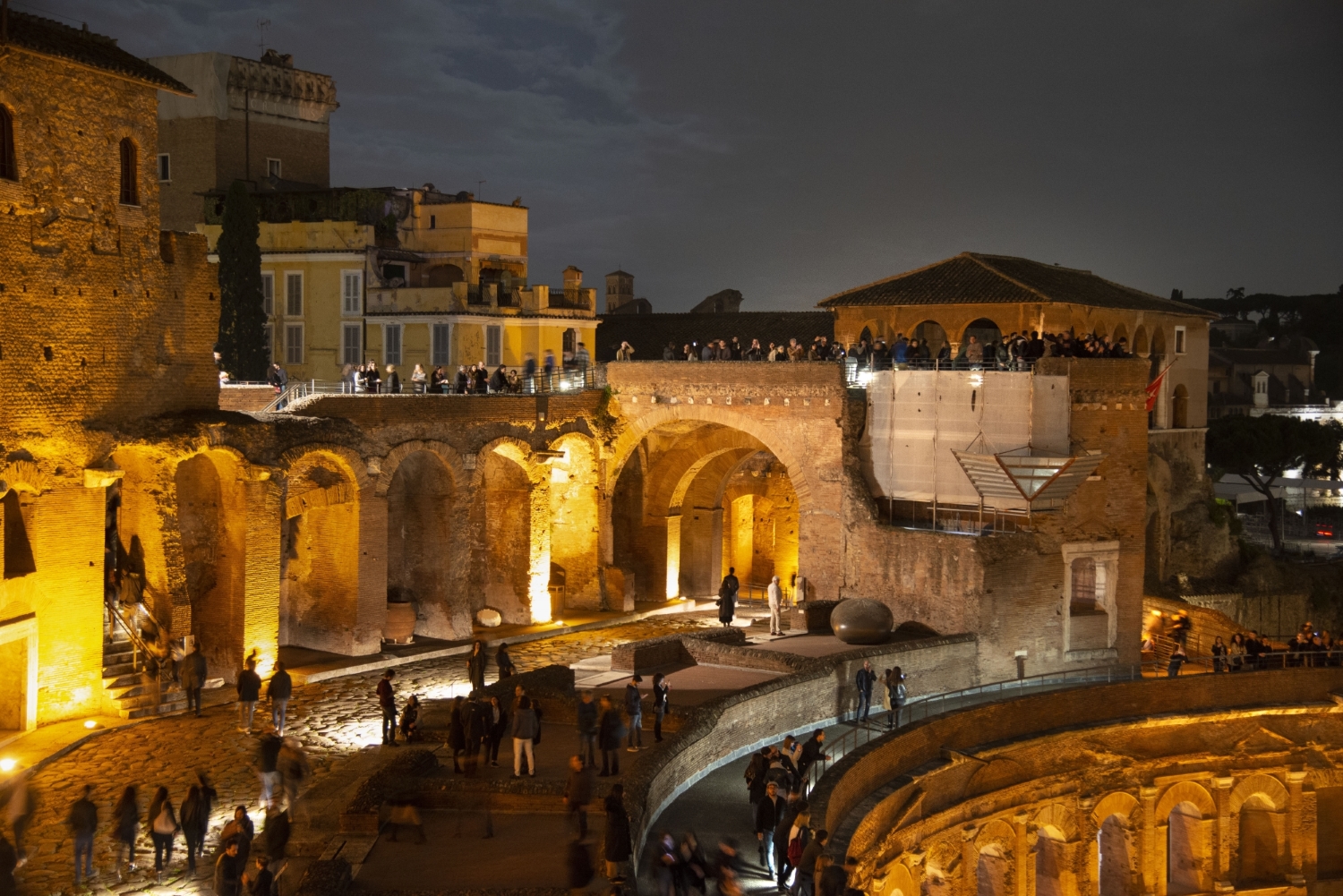
At midday there was a general pause, and city inhabitants would typically eat in the city center, in public establishments (simple taverns such as popinae or thermopolia, or inns known as cauponae), or they would buy food from street vendors (one of the most popular items was chickpea cake). Lunch (prandium) was in any case a very light meal. When public baths (Thermae) became widespread, it was customary to go there and have a small bite after bathing. The baths opened at noon and, from the reign of Hadrian onward, at two in the afternoon.
At sunset the working day ended and the family gathered for dinner (cena or coena), the main meal of the day. In earlier times people were content with soups of cereals or legumes, milk, cheese, fresh or dried fruit, olives and sometimes lard; as customs became more refined, bread replaced primitive soups and porridges, while meat appeared on the tables of the wealthier classes. The evening meal was also an opportunity to welcome guests and friends (convivium, or banquet).
Among Latin authors who have handed down recipes or information about Roman dietary habits are Cato and Columella (both authors of agricultural treatises: De Agricultura and De Re Rustica respectively), Apicius and Petronius, Martial and Juvenal (in their Satires). Petronius and Apicius are the principal sources on Roman cuisine: Petronius, in The Dinner of Trimalchio described in his novel Satyricon, provides detailed accounts of how a sumptuous banquet was organized; Apicius, in De Re Coquinaria, records about five hundred recipes, many bearing his name. Martial, in his Epigrams, often offers indications of menus and appreciated foods, especially during the Saturnalia, the most popular festival of the year.
What was set on Roman tables? Many foods common today were unknown. Among citrus fruits, only lemons and citrons were known. The Mediterranean Sea was extremely rich in fish: sardines, anchovies, mackerel, gilthead bream, sea bream, torpedo rays, soles, tuna, red mullet, dentex, scorpionfish, mullet, flounder and lampreys, oysters, lobsters, squid, cuttlefish, octopus, mussels, and many others.
Meat was also present on Roman tables, except for cattle—used almost exclusively for farm labor. Romans ate pork, lamb, kid goat, chicken, geese, ducks, pigeons and wood pigeons, as well as game (hares, wild boar, partridges, pheasants, deer, roe deer, thrushes and fig-peckers). Frogs and snails were considered delicacies. Lard, sausages of all kinds (especially lucanica) and hams enriched the diet, often eaten with spelt porridge (puls).
Vegetables often served as appetizers: asparagus, artichokes, beets, cabbages, turnip tops, carrots, cardoons, turnips, onions, leeks, pumpkins and cucumbers; as well as various cooked or raw salads such as lettuce, watercress, chicory, endive and mallow. Legumes followed: broad beans, lupins, lentils, chickpeas and peas. Mushrooms and truffles were prized foods, as were cheeses (mainly sheep’s and goat’s), fresh fruit (apples, pears, pomegranates, medlars, quinces, plums, blackberries and mulberries, cherries, peaches, apricots, figs and grapes; melons and watermelons), dried fruit (walnuts, hazelnuts, almonds, pine nuts, dates), and olives, which were indispensable.
Cheese in particular was a staple of the Roman diet, with a great variety produced across the Empire. Columella’s recipes describe Roman cheeses, divided into soft and hard types, the latter being longer-lasting and made from fresh milk without added water. They were sometimes curdled with wild thistle or artichoke flowers, saffron seeds, or fig sap. Columella also mentions a smoked cheese hardened in brine and flavored with smoke from applewood.
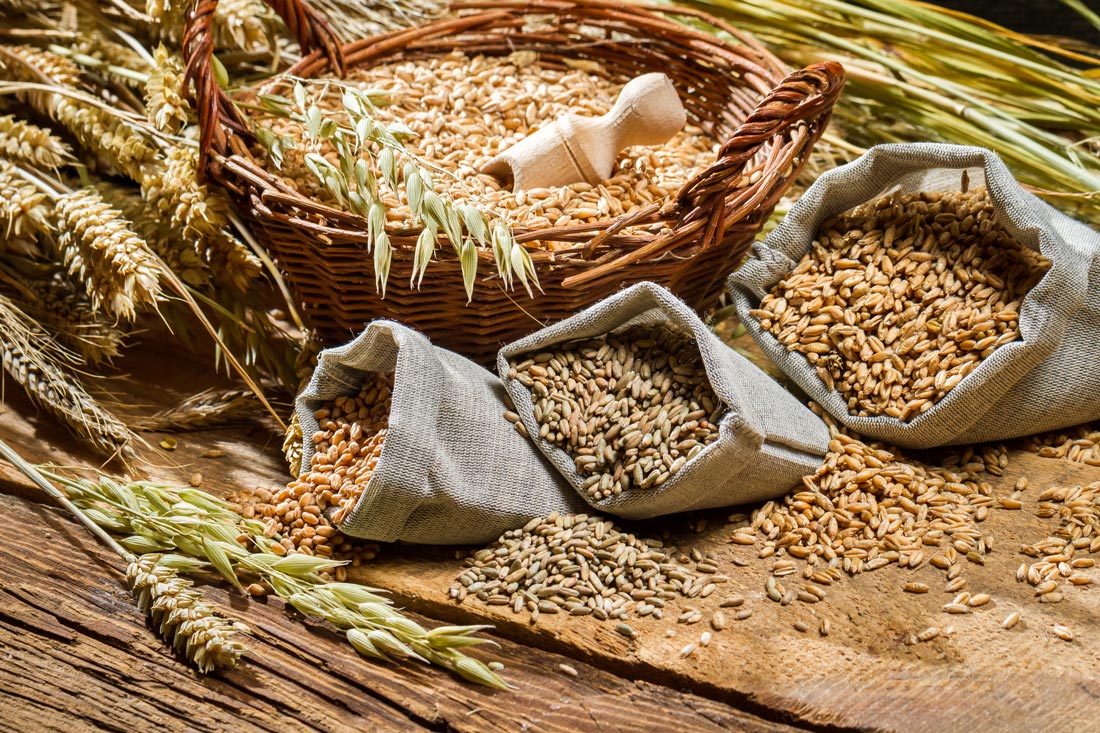
Cereals, however, were fundamental to the Roman diet for centuries. Romans prepared soups and porridges using all available grains, ate bread and flatbreads, and their cereals had far greater nutritional value than those of today. Barley, durum wheat (spelt), rye, oats, millet and panic grass were cultivated from ancient times. Barley, due to its adaptability and resistance, was perhaps the first cultivated cereal and formed the basis of soldiers’ diets, as well as being the most widely used grain during the Republican period. Spelt, too hard to be finely milled, was crushed and cooked into semolina or porridge; only in the 5th century BC did the introduction of naked wheat (triticum) allow the production of flour suitable for bread and flatbreads. Oats were mainly animal feed, while millet and panic grass were used for puls (millet also remained a staple food for the poor in the Middle Ages). Rye was little valued and often mixed with spelt. Rice was imported from the East (India) as a luxury product, used as starch for thickening foods and in medicine; in Europe, rice cultivation for food purposes began in Spain under Arab influence in the 8th century.
Roman bread existed in countless varieties: white, dark, leavened, dry ship’s biscuits, refined rolls with poppy seeds, anise, fennel, celery and cumin, and many more, with endless names and shapes. The baker (pistor or triticarius, or placentarius if he also made flatbreads) had three types of flour depending on sieving: fine flour (siligo or pollen), an intermediate type (simila or similago), and wholemeal flour (cibarium). There was also leaven (fermentum), used depending on whether unleavened or leavened bread was desired. Brewer’s yeast was produced in Spain and Gaul from the foam formed during beer fermentation, yielding soft and delicate bread, but the most esteemed leaven was obtained from millet.
Sauces were one of the great specialties of Roman cuisine (see Apicius), prepared for meat, fish, vegetables and eggs. Spices, berries and aromatic herbs were essential ingredients, as were liquids such as wine, reduced must, fish sauce (garum), raisin wine (passum), oil, vinegar and water. Starch was used as a thickener, as were eggs and crumbled bread; sometimes ground nuts, pine nuts, hazelnuts, dates or plums were added.
Banquets began with rich appetizers: eggs, vegetables, salads, mushrooms and truffles, oysters, seafood, herb cheeses, olives, sausages, soufflés and meat pies. Soups and stews formed the basis of the diet of the poorer classes and were the main evening meal even for masters when they had no guests. Meat and game abounded on aristocratic tables, especially in the 1st century AD, while city dwellers were privileged in their access to meat. Salting and smoking were common preservation methods, and pork was the most prized meat. Fish, however, was always highly valued, both freshwater and marine, and although abundant, it was expensive; wealthy Romans kept fish ponds (piscinae) in their villas.
Meals concluded with desserts, fresh and dried fruit, savory flatbreads and sometimes sausages and cheeses. Sweets were mainly made from flour, cheese and honey, but also included fruit soufflés, sweet omelets and egg custards. Food preservation was widespread, using brine, salt, spices, oil, vinegar, honey and mustard.
Romans drank many beverages: water, milk, wine, beer (cervisia), herbal infusions. Wine, a divine gift from Bacchus, was the most prized and widely consumed drink, never drunk pure but diluted with water. Other beverages included posca, passum, mulled and spiced wines (vinum conditum), and honeyed water (aqua mulsa).
Cooking took place in small kitchens, using wood- or charcoal-fired stoves, with tools of wood, metal or bone. Meals were prepared by slaves or hired cooks, and dinners were held in the triclinium, where guests reclined on couches, enjoyed entertainment, and were sometimes given gifts at the end of lavish banquets.
Read more
Read less
Insights: Other Sections