Culture: The maza of Juno Sospita in Lanuvium
On Saturday, March 22, 2014, as part of an initiative promoted by the Municipality of Lanuvio to launch the new cultural tourism brand “Lanuvio urbs imperatorum,” a new yet “ancient” gastronomic product rooted in the city’s history was presented: the flatbread offered to the goddess Juno, associated with one of the most archaic cults of Latium.
The initiative, curated by the Lanuvio Merchants’ Association with historical consultancy by Archeogusto – Vita Romana, led to the creation of a baked product that, based on careful analysis of historical sources, represents a contemporary reinterpretation of the maza, the ritual flatbread offered to the goddess.
New archaeological discoveries—currently being published—are adding further elements to the already rich history of the site, making the historical narrative even more fascinating.
The Flatbread of Juno was presented in Rome during Cerealia Festival 2014.
The Archaic Cult of Juno Sospita at Lanuvium
Among the religious cults of archaic Latium, particular importance was attached to that of Juno Sospita at Lanuvium (Sil. It., Punica, VIII, 360: Lanuvium, Iunionia sedes). Archaeological remains of the temple, monumental in scale, testify to a significant investment of resources, suggesting that both the sanctuary and the goddess played a major role already in archaic times.
For a long period, Lanuvium held a prominent position within the Latin cultural sphere and took part in the alliances of the Latin League. It is easy to imagine that this status was closely linked to the importance of Juno Sospita for the Latin peoples. Even after the Romanization of Lanuvium—once the city had fully entered the Roman sphere—the temple remained a destination for numerous pilgrimages, continuing an ancient tradition and providing an important economic resource for the city.
In 338 BC, the cult of Juno Sospita was officially introduced in Rome, and around the same time Roman citizenship was granted to the inhabitants of Lanuvium. Juno Sospita and Lanuvium thus became fully integrated into the Roman world. The consuls were required (Cicero, Pro Murena, 41, 90) to perform a sacrifice to the goddess—possibly both in Rome, on the Kalends of February, and in Lanuvium—and a special priestly college, the Sacerdotes Lanuvini, drawn from the equestrian class, was established, headed by a flamen.
The Serpent Ritual
An integral part of the goddess’s cult was the ritual offering of food to a serpent that lived in a deep cave near the temple of Juno. Two ancient sources provide similar descriptions of this rite.
According to Propertius (Elegies, IV, 8, 3–14), each year young virgin girls were entrusted with bringing food offerings to the serpent. They had to walk alone down to the cave, carrying the offerings in baskets. After delivering the food, they could return to their families, who awaited them anxiously. Their safe return was greeted with joy by the farmers, as it was considered a favorable omen for the fertility of the fields in the coming agricultural year. If, however, a girl was not a virgin, the source implies that she would never return, and the agricultural season would be disastrous.
A second account by Aelian (De Natura Animalium, XI, 16) adds further details. He specifies that the large, deep cave inhabited by what he calls a drakon (dragon or serpent) was located in a sacred grove. On appointed days, consecrated virgins entered the grove blindfolded, carrying a flatbread in their hands. Guided by a divine breath, they would reach the serpent’s lair without stumbling, as if they could see. If they were truly virgins, the serpent would accept the offering as pure and pleasing to the gods. If not, the serpent—endowed with prophetic insight—would reject the food, leaving the flatbread untouched. Ants would then crumble the bread and carry it out of the grove, thereby purifying the place. In this way, the girl’s lack of purity would become known to the community, and she would be punished according to the law.
(Excerpt from Marco Menicocci, “Le vergini e il serpente,” published on www.lanuvioonline.eu)
The Flatbread (Maza)
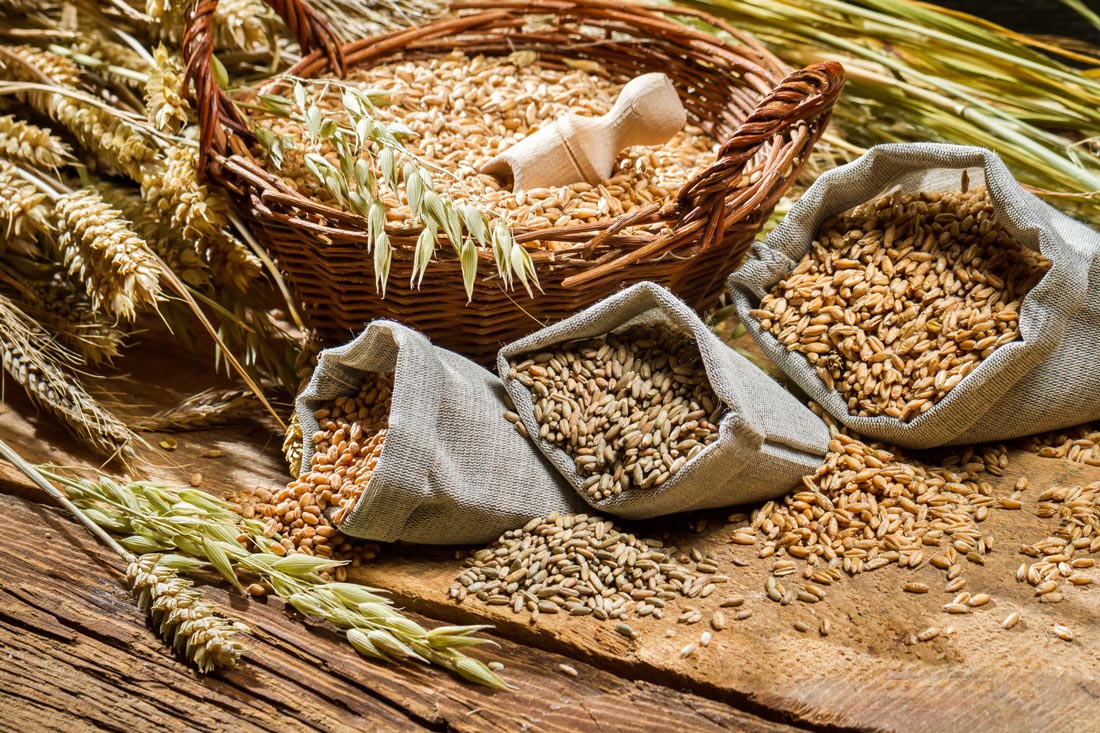
Thanks to Aelian, we know the nature of the offering made to the serpent. The term he uses in Greek is maza, a word indicating various types of flatbread, typically made with coarse flours from cereals such as barley or emmer wheat, or from legumes like chickpeas and fava beans, mixed with water, oil, honey, or milk.
The maza could vary depending on its intended use: it could be elaborately prepared for refined banquets and symposia, eaten cooked or raw, and shaped as flatbreads, loaves, or biscuits. It was also used as a base for other foods—hence its consideration as one of the ancestors of pizza—and sometimes served as an edible plate. This tradition appears in later sources as well, including Virgil, who in the Aeneid (VI, 420) describes a honeyed flatbread thrown by the Sibyl to Cerberus, and in the prophecy of the Harpy Celaeno, who foretells that Aeneas and his companions, exiled from Troy, would be so hungry upon reaching Latium that they would be forced to eat even their tables—emmer flatbreads used as dishes to hold food.
The Lanuvium Recipe
The evidence currently available—both literary and archaeological—does not allow for a precise identification of the ingredients used in the Lanuvium maza. Archaeological investigations have revealed food remains of cooked fava beans and chickpeas, as well as sheep and goat remains near the site identified as the serpent’s cave. These foods fall well within the range of sacrificial offerings to deities, making it plausible that the maza also functioned here as an edible “plate” on which meats and legumes were placed.
Two maza recipes have therefore been reconstructed. The first is savory and unleavened, likely closest to the flatbread offered to the serpent, and can be served with seasoned olives, legumes, and roasted meats whose juices soften the bread. The second is a sweet, leavened maza, intended for banquets. Both versions are made using wholemeal emmer and/or barley flour.
Read more
Read less

Insights: Other Sections