Culture: Blancmange (Biancomangiare)
Blancmange: A Medieval European Dish Between Medicine, Symbolism, and Luxury
This dish belongs to the medieval European culinary tradition and appears, with some variations, also in France and Germany (bramangere, blamensir, or blancmange), although its exact origin is still not entirely clear. It was a dish associated with wealthy and refined palates, as several of its ingredients—highly expensive at the time—were imported from the East. It was also commonly served to the sick.
The basic recipe was largely consistent throughout Europe and consisted of poultry breast, rice flour, and milk. During Lent, chicken breast could be replaced with fish fillets. In sumptuous medieval banquets, the dish was often served among the first courses.
“How to make blancmange. Take thick almond milk and cleaned chicken breasts and cook them in the almond milk. Then bind with rice flour, enough fat, and sufficient sugar. This is blancmange…”
One of the surviving versions of this recipe is found in the Liber de Coquina, preserved at the Library of the University of Bologna.
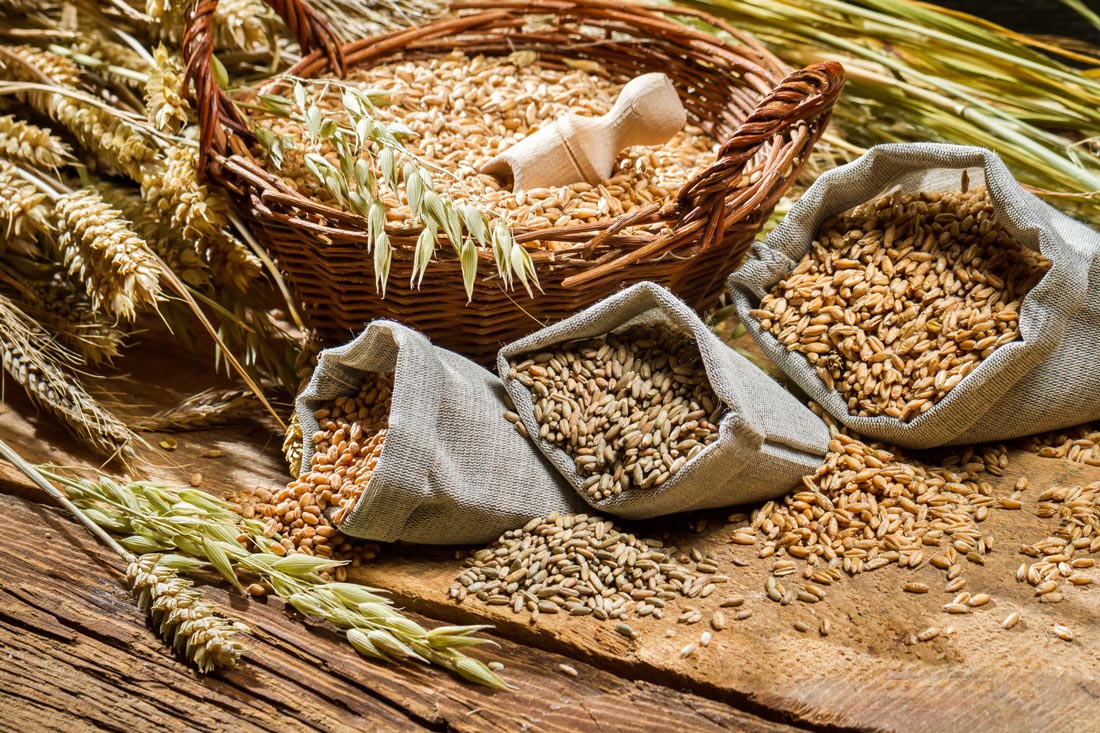
The dish presents itself as a delicate gel: sweet due to the presence of cane sugar, partially sticky because of the rice flour, and nourishing thanks to the addition of animal fat (lard). The recipe combines a series of ingredients that are all white in color—a feature which, far from symbolizing purity, represented abundance in medieval culture.
In the Italian collective imagination, this dish survives to this day in the expression “mangiare in bianco” (“eating white”), commonly used in medical contexts. However, when examined in light of Galenic theory and the teachings of the Salerno Medical School, the individual ingredients reveal a broader—and now outdated—health-related framework.
Galenic Theory and the Doctrine of the Four
Galenic theory, also known as the tetradic theory, is based on a recurring structure of four:
Four fundamental elements: Earth, Water, Air, and Fire
Four qualities: hot, cold, dry, and moist
Four bodily humors: blood, phlegm, yellow bile (choler), and black bile (melancholy)
From the harmony of these elements arise four human temperaments: sanguine, choleric, phlegmatic, and melancholic.
There were also four degrees of intensity: a quality expressed at the first degree was mild, while the fourth degree could even lead to death.
Each food possessed characteristics capable of influencing human temperament. According to the Salerno Medical School, the ingredients used in blancmange were classified as follows:
Rice: hot and dry in the second degree
Sweet milk: temperate, gently warm
Chicken (rooster): hot and dry in the second degree
Sugar: hot and moist in the second degree
Symbolism of Ingredients
The rooster held profound symbolic significance in medieval culture. In the mosaic depicting the struggle between the rooster and the turtle—preserved in the Cathedral of Aquileia—the bird represents light, as its crowing announces the arrival of a new day, engaged in eternal combat against evil symbolized by the turtle.
The almond derives its sacred meaning from the myth of the vesica piscis, a mystical almond-shaped form within which Christ the Redeemer is frequently depicted. This iconographic symbol represents life, not only because of the nutritional qualities of the seed, but also because Christ—eternal life—is symbolically enclosed within it.
A Dish of Medicine, Cosmology, and Privilege
The aristocratic nature of blancmange also stemmed from the limited availability of sugar and rice, neither of which was cultivated in Italy at the time. Both were obtainable only through apothecaries, thanks to Mediterranean trade routes, and thus accessible only to the wealthy.
According to the Salerno Medical School, humans exist in harmony with the universe, and illness arises when this balance is disrupted. The school adopted an allopathic approach to healing, meaning that a pathological condition was treated by administering remedies that produced opposite effects.
For example, if phlegm—associated with cold and moist qualities—prevailed in an individual, the prescribed cure involved consuming foods with opposite characteristics, namely hot and dry. All the ingredients of blancmange were considered hot and dry in nature. Observed through the graphical framework of tetradic doctrine, these ingredients were therefore ideally suited to counteract illnesses caused by excess phlegm under cold and damp conditions.
When these “medical” principles are combined with the theosophical symbolism of the almond and the rooster, it becomes plausible to conclude that the consumption of this dish was believed to restore harmony between humankind, the cosmos, and the Creator.
Read more
Read less

Insights: Other Sections