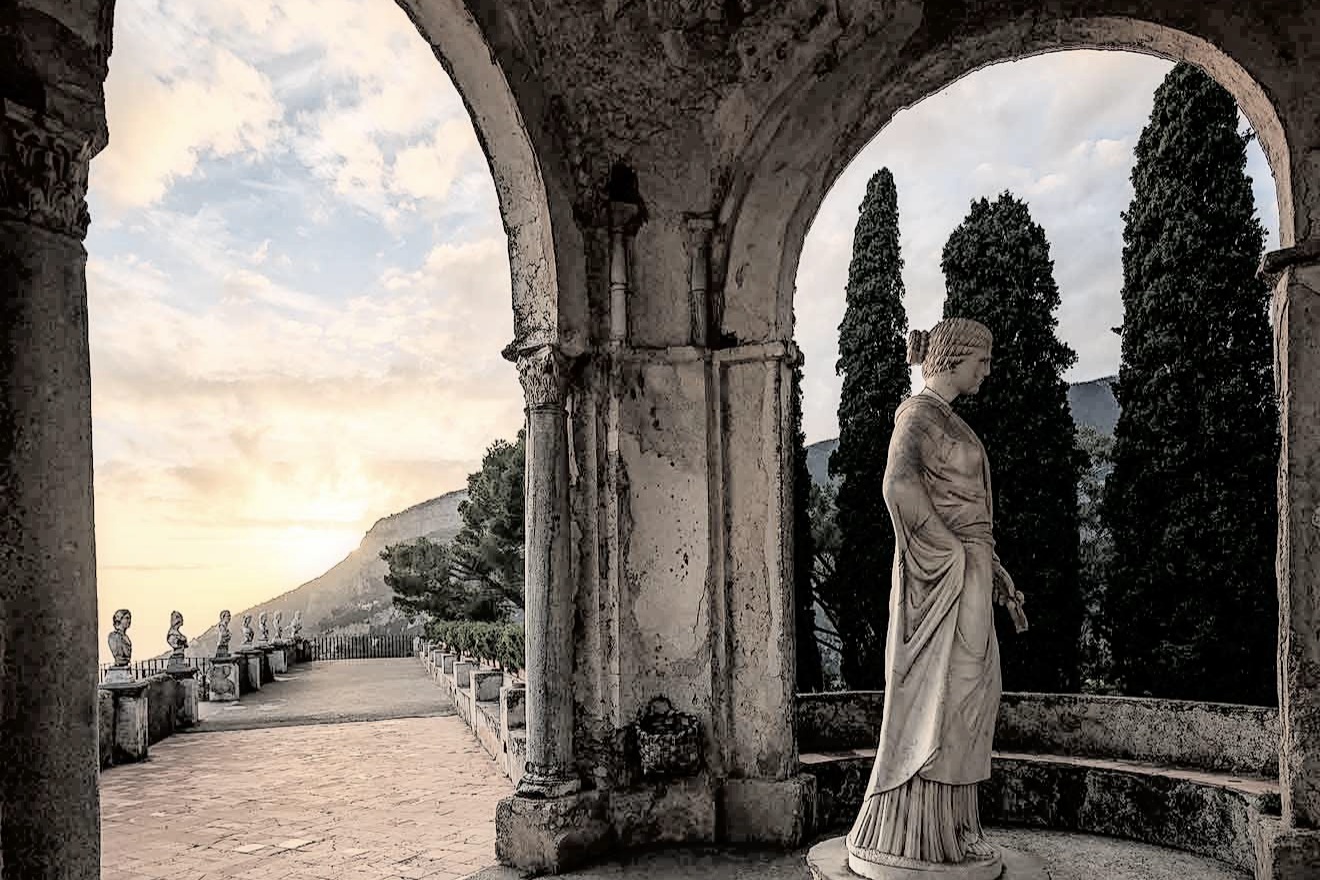
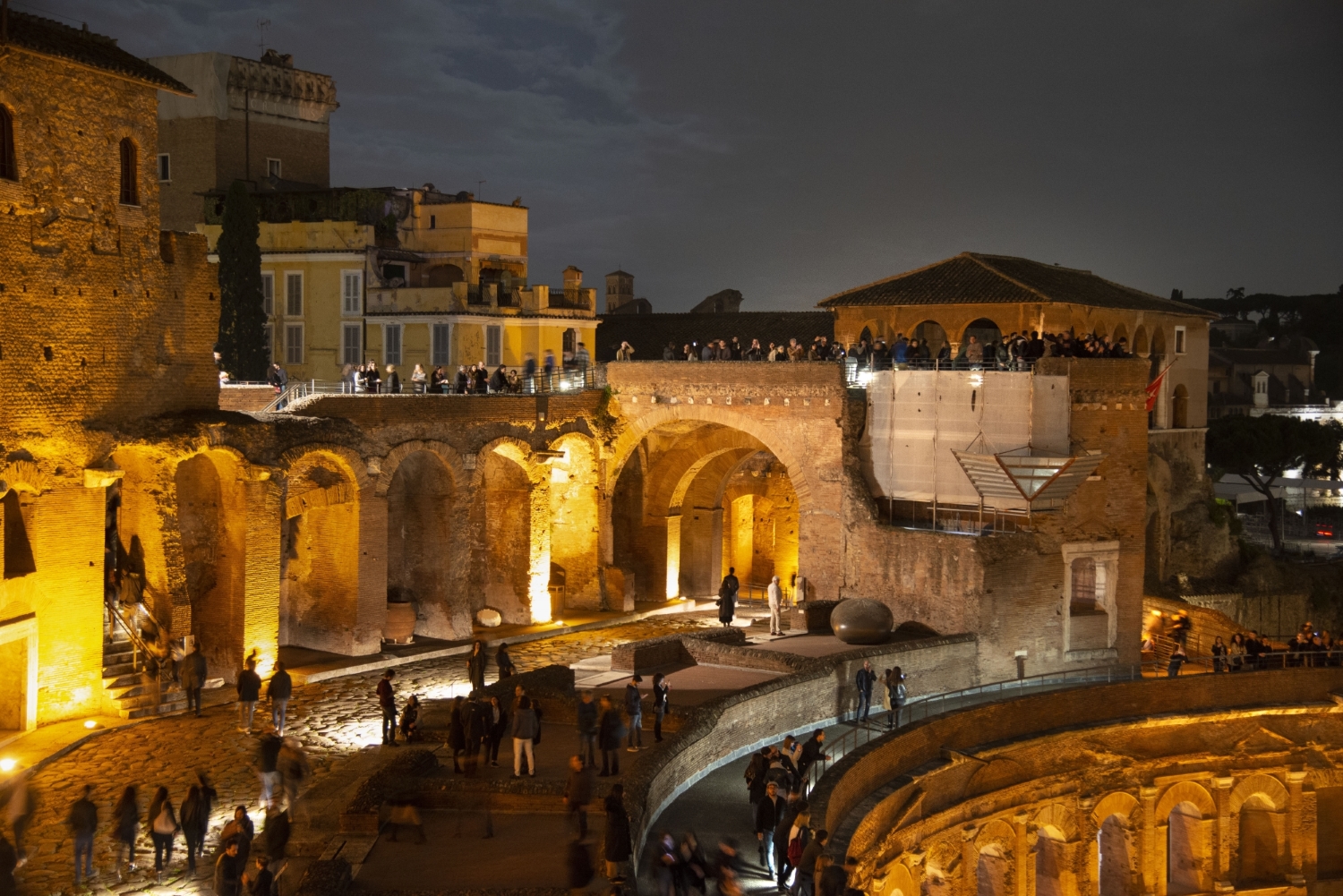
The blonde goddess Ceres – part of the Aventine Triad together with Liber and Libera – was honored with a great festival lasting eight days, held in April from the 12th to the 19th. This festival was known as the Cerialia and was conceived more as a rite of propitiation than as a celebration of agricultural labor itself.
White was the symbolic color of the festivities, worn alike by priestesses and devotees.
The celebrations opened with a solemn procession, followed by the Games of Ceres, divided into Ludi circenses (chariot races) and Ludi scaenici (theatrical performances), organized by the plebeian aediles.
The most spectacular moment took place on April 19, the climax of the festival, marked by ritual ceremonies and public entertainments, including the famous running of foxes in the Circus Maximus.
In May, another ritual was performed: the so-called “mock harvest”, held during a particularly delicate period for crops, when the flowering ears of grain could still be threatened by late frost.
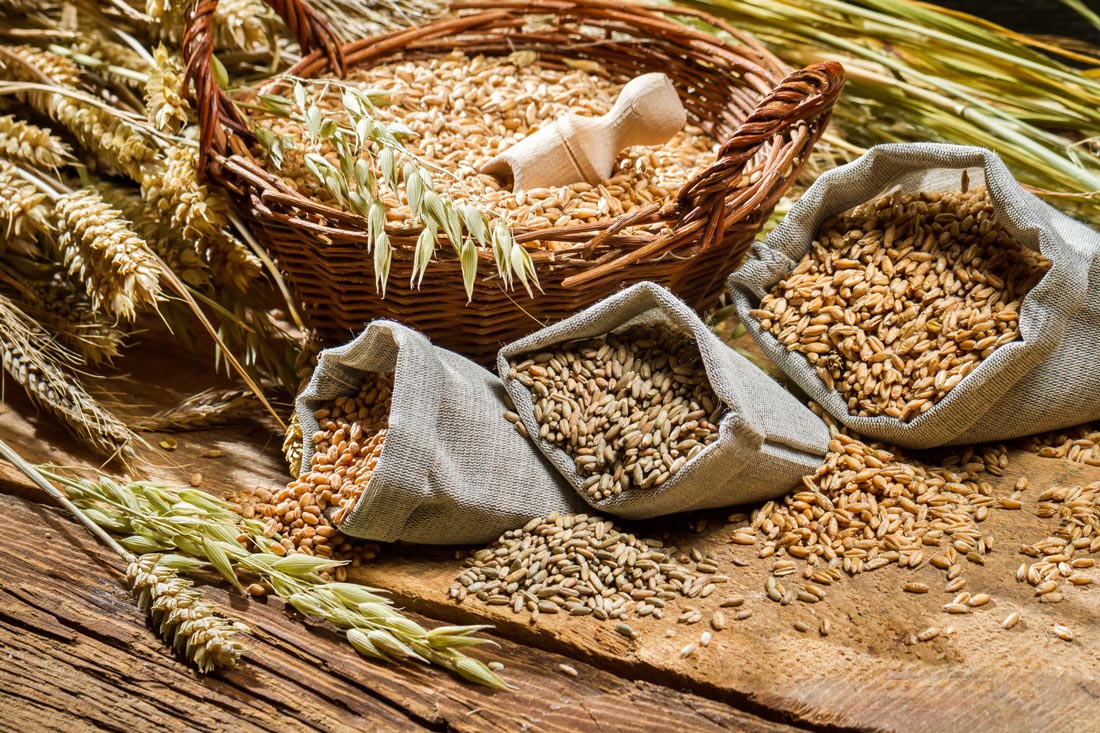
Three times, on alternate days – the 10th, 12th, and 14th of May, after the Nones and before the Ides – as recounted by Servius (Eclogues VIII, 82), the three eldest Vestal Virgins prematurely harvested ears of farricello, an ancient and more modest type of hulled wheat. These were placed in baskets destined for the real harvest: filling them in advance symbolically ensured a successful growing season.
The Vestals then prepared the “mock bread”. By adding a specific amount of salt, grinding and baking it, they produced the mola salsa: a sacred mixture of grain and salt. A small portion was shaped into flatbread and offered to Vesta, while the remainder was preserved for sacrificial use. It was sprinkled on the heads of animals destined for sacrifice, which were thus ritually “immolated” before being killed.
The preparation of the mola salsa required pure, uncontaminated spring water. For a time, this water was drawn from the spring in the grove of the Camenae, outside the Porta Capena of the city walls, and later from the Spring of Juturna in the Roman Forum. The vessels used were designed so they could not be set down on the ground, with very narrow bases that would tip over if placed on a surface.
This symbolic bread-making took place on the day of the Vestalia, June 9. Not by chance, this same date later became the feast day of the pistores, the bakers, who decorated the millstones of their mills with garlands of flowers (Ovid, Fasti VI, 311).
During the second week of June, between June 7 (Vesta aperitur, when the Temple of Vesta in the Roman Forum was opened) and June 15 (Vesta clauditur, when it was closed), a series of interconnected rites unfolded. Together, these ceremonies formed a true ritual cycle, commonly referred to as the “cycle of the cereals.”