Culture: The 'Feriae Sementivae'
Festivals in Honor of Ceres Were Also Celebrated in January
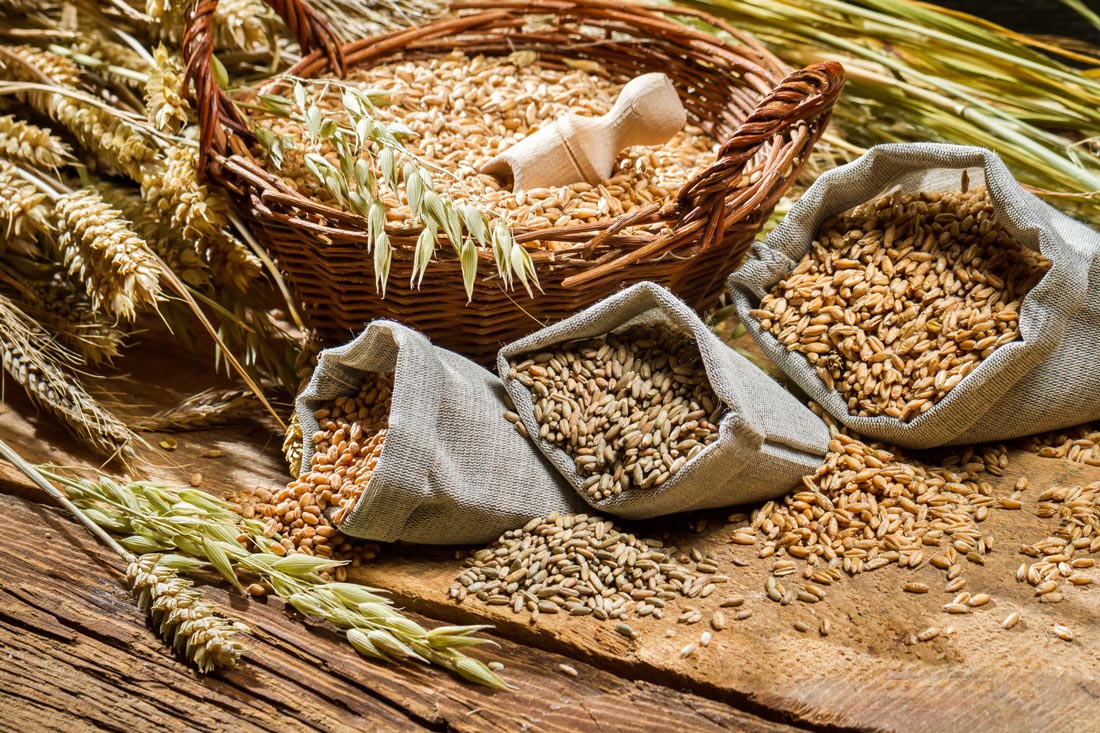
Festivals dedicated to Ceres were also held in January. The so-called Feriae Sementivae were the second movable festival of the month and, as their name suggests, had rural origins closely connected to agriculture.
As explained by Professor Staccioli (see Archeo, 2014), the date of the Feriae Sementivae was determined each year by the Pontiffs. This information is confirmed by the poet Ovid (Fasti, I, 657 ff.), who notes that while the exact day of the festival was uncertain, the season was well defined. He suggests January 22 or 26 as possible dates.
The festival was dedicated to the goddesses Ceres and Tellus (the Earth). Ovid tells us that Ceres was the deity who “gave birth to the crops,” while Tellus “offered them a place to grow.” During the Feriae Sementivae, the protection of both goddesses was invoked to safeguard newly sown seeds from damage caused by adverse weather conditions.
Because the festival took place at the end of January, frost was particularly feared (“… lest the young grass be burned by icy snow …”), as were animals and insects (“… lest flocks of birds devastate the fields … and you too, ants, spare the buried grain. After the harvest, there will be more abundant prey …”).
Ritual offerings to Ceres and Tellus included food such as spelt cakes and a pregnant sow—an animal also sacred to Demeter. Small terracotta discs (oscilla), decorated with various figures, were hung from trees. These amulets were believed to ward off evil spirits and negative influences.
Insights: Other Sections