Culture: From Eleusis to Ariccia
From Eleusis to Ariccia: the Secret Rite of Ceres and the Sanctuary of Casaletto
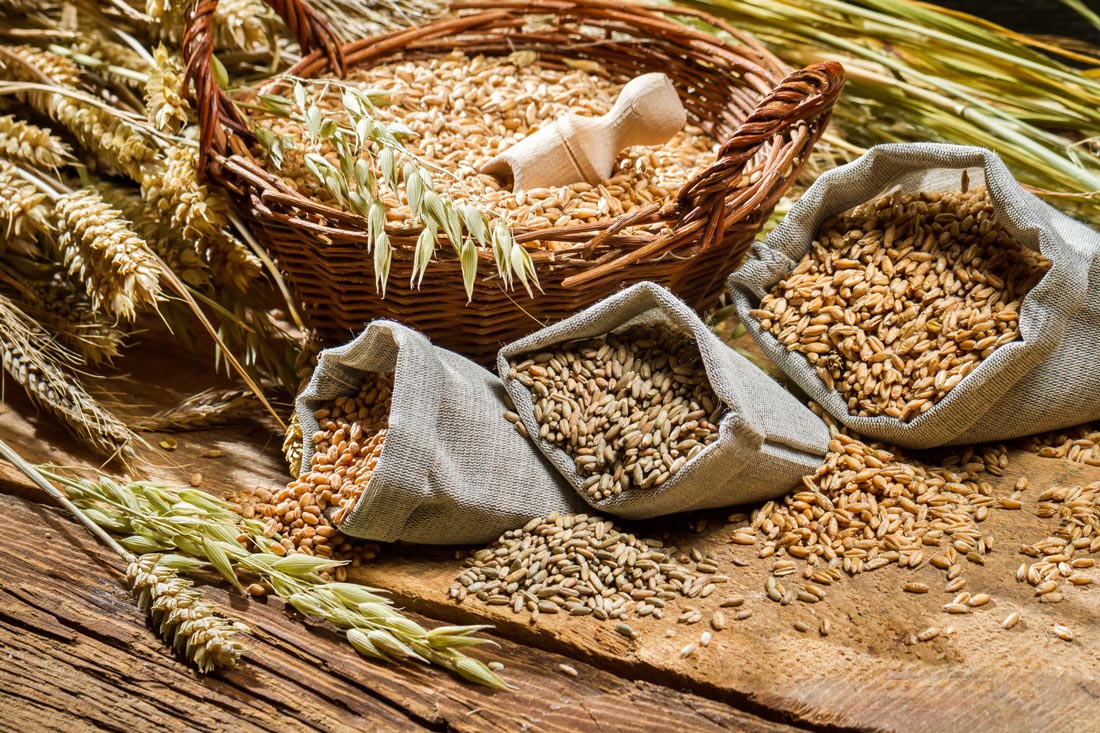
The gifts of Ceres (Cerealia) lay at the heart of the Roman festive calendar from mid-April to early June. On June 9 in particular, the Vestal Virgins ritually prepared the mola salsa, made from spelt flour mixed with water and salt, while those involved in bread-making celebrated their craft by decorating millstones and the donkeys that turned them with loaves of bread.
In ancient Aricia, whose countryside Horace compared to that of Veii, cereal cultivation and bread production must have played a significant role. Augustus himself—son of Atia of Aricia and, on his mother’s side, grandson of a baker who owned “the largest mill in Ariccia”—gave a major boost to the development of bakeries, which eventually numbered as many as 400 in Rome alone.
The art of bread-making remained a distinctive feature of Ariccia even in the year 1700. Despite the abundant grain production in the estates of Vallericcia and Tor Cancelliera, farmers were forced to lease additional land in the Roman countryside in order to meet growing demand.
In ancient times, however, Ariccia was also known for pig breeding, though this activity was largely linked to sacrificial practices. The sacrificial animal of Demeter—assimilated to the Roman goddess Ceres and worshipped at the Sanctuary of Casaletto from as early as the 4th century BC—was in fact the porchetta, a young female pig essential for participation in the Mysteries.
At Eleusis, and very likely at Ariccia as well, every initiate was required to purchase such an animal to offer it in sacrifice to Demeter, “she who slays the pigs,” and then consume its roasted meat. The Sanctuary of Casaletto was also a place of worship for Dionysus-Bacchus, the god of wine.
An inscription found within the sanctuary attests to the presence of a woman named Duronia Aricina, likely an ancestor of the Duronia mentioned in historical sources as having been involved in the scandal of the Bacchanalia in 186 BC.
Insights: Other Sections